September 25, 2026
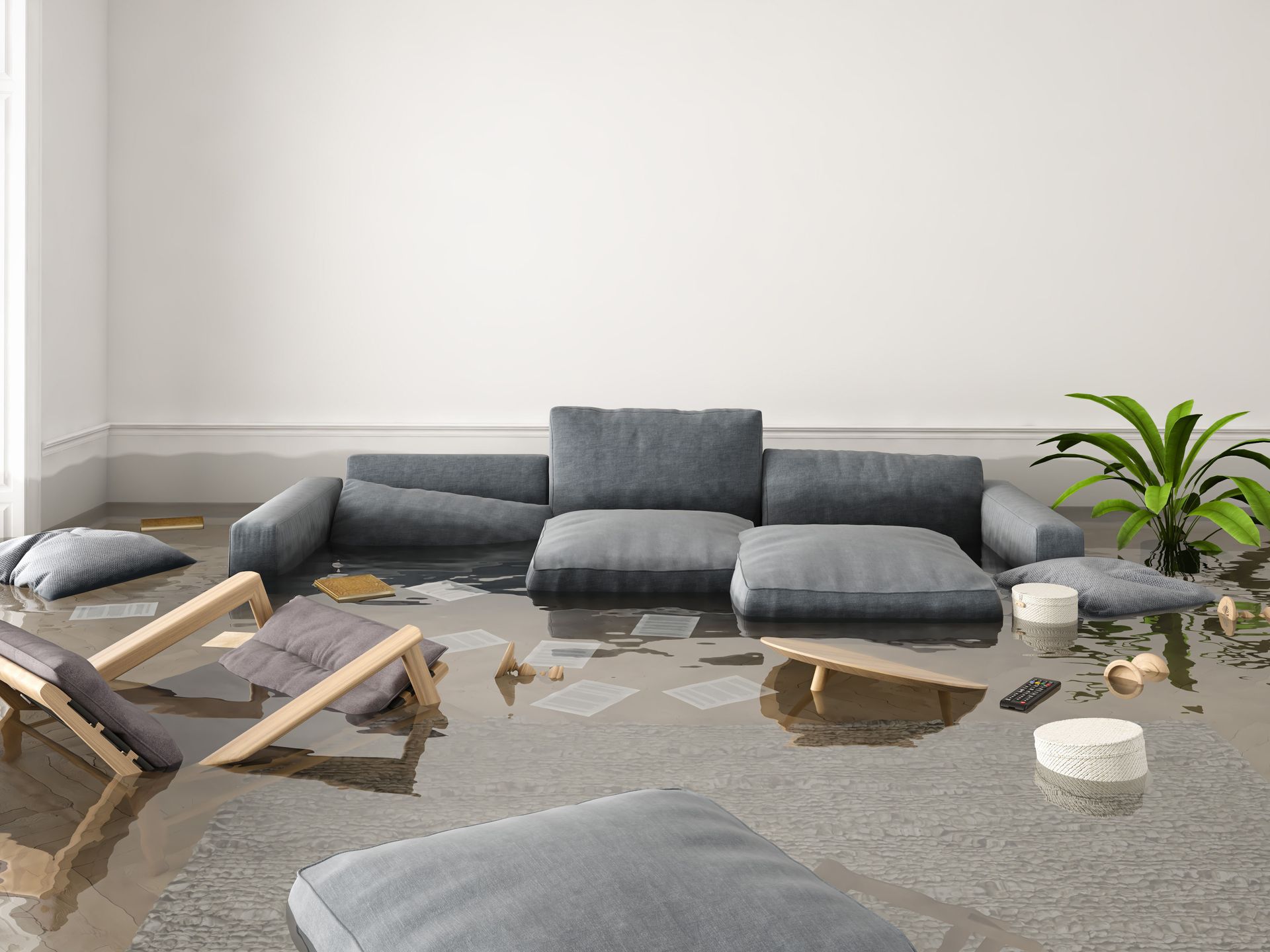
Unexpected indoor flooding, burst plumbing lines, or heavy storm runoff can cause severe structural damage to your residential property within hours. Hiring a qualified water restoration service enables home management to immediately contain moisture spread, extract standing water, and prevent dangerous mold outbreaks across living quarters. Preparing direct inquiries before signing emergency contracts helps you assess technical competence, clarify operational timelines, and verify proper safety protocols. Asking clear questions ensures that your chosen restoration crew utilizes commercial-grade drying equipment and satisfies strict industry standards. Proactive communication protects your financial investment while restoring a safe, dry, and healthy living environment for your entire family.
1. Verifying Licensing and Required Industry Certifications
Confirming legal credentials should be your first step when interviewing candidates for residential cleanup and structural drying projects. A reputable water restoration service provides valid documentation demonstrating state licensing, municipal permits, active general liability coverage, and comprehensive workers' compensation policies. Inquiring about specialized certifications from recognized bodies, such as the IICRC, ensures that technicians are trained in advanced psychrometrics and structural drying techniques. Checking these essential qualifications early prevents legal liability in the event of accidental injury or property damage during remediation. Validating official credentials assures homeowners that all technical work strictly adheres to established safety codes and industry standards.
2. Inquiring About Emergency Availability and Rapid Response Times
Water spreads rapidly through porous building materials, making immediate intervention crucial for minimizing total structural damage after a pipe bursts or a storm strikes. Engaging a responsive water restoration service clarifies whether technicians offer true round-the-clock emergency assistance during holidays, weekends, and late-night hours. Over the last 50 years, Americans have seen a 20% increase in the heaviest downpours, according to American Rivers. Asking candidates about their average arrival window following an initial emergency call helps you choose a team capable of arriving quickly to extract standing water before secondary damage, structural warping, or severe indoor mold growth takes hold.
3. Determining the Water Contamination Class and Category
Identifying the specific contamination level of incoming water dictates the exact safety protocols, extraction methods, and sanitation equipment required for remediation. Asking your water restoration service how they classify incoming water—ranging from clean supply lines to highly contaminated sewage back-ups—ensures appropriate protective measures are taken. Category three blackwater incursions require specialized personal protective equipment, total removal of saturated porous drywall, and heavy-duty disinfectant applications to eliminate dangerous biological pathogens. Inquiring about containment procedures prevents cross-contamination into unaffected household zones, protecting your family and pets from exposure to harmful airborne bacteria or toxic substances during cleanup operations.
4. Assessing Moisture Detection Technology and Structural Drying Methods
Locating hidden pockets of trapped moisture behind finished drywall, under hardwood flooring, or beneath subflooring requires specialized diagnostic tools rather than visual inspection alone. Asking a water restoration service about their diagnostic inventory reveals whether they utilize infrared thermal imaging cameras, non-invasive moisture meters, and thermo-hygrometers. Inquiring about their structural drying process clarifies how commercial air movers, heavy-duty LGR dehumidifiers, and heat drying systems are deployed to extract deeply absorbed moisture. Thorough diagnostic testing ensures that framing studs, subfloors, and insulation cavity zones are completely dry before reconstruction begins, preventing long-term structural decay and hidden mold growth.
5. Navigating Insurance Claims and Detailed Direct Documentation
Filing property damage claims can be an overwhelming process, requiring detailed evidence, itemized inventories, and clear technical communication with adjusters. Asking your water restoration service if they work directly with major insurance carriers helps streamline claim processing and reduces out-of-pocket delays. Inquire whether technicians provide moisture logs, daily drying charts, comprehensive photo documentation, and itemized scopes of work formatted for insurance software. Partnering with professionals experienced in insurance protocols ensures that all required structural drying data is submitted accurately, helping you receive proper policy coverage while avoiding unexpected out-of-pocket expenses for vital cleanup procedures.
6. Preventing Mold Growth Through Specialized Sanitation Techniques
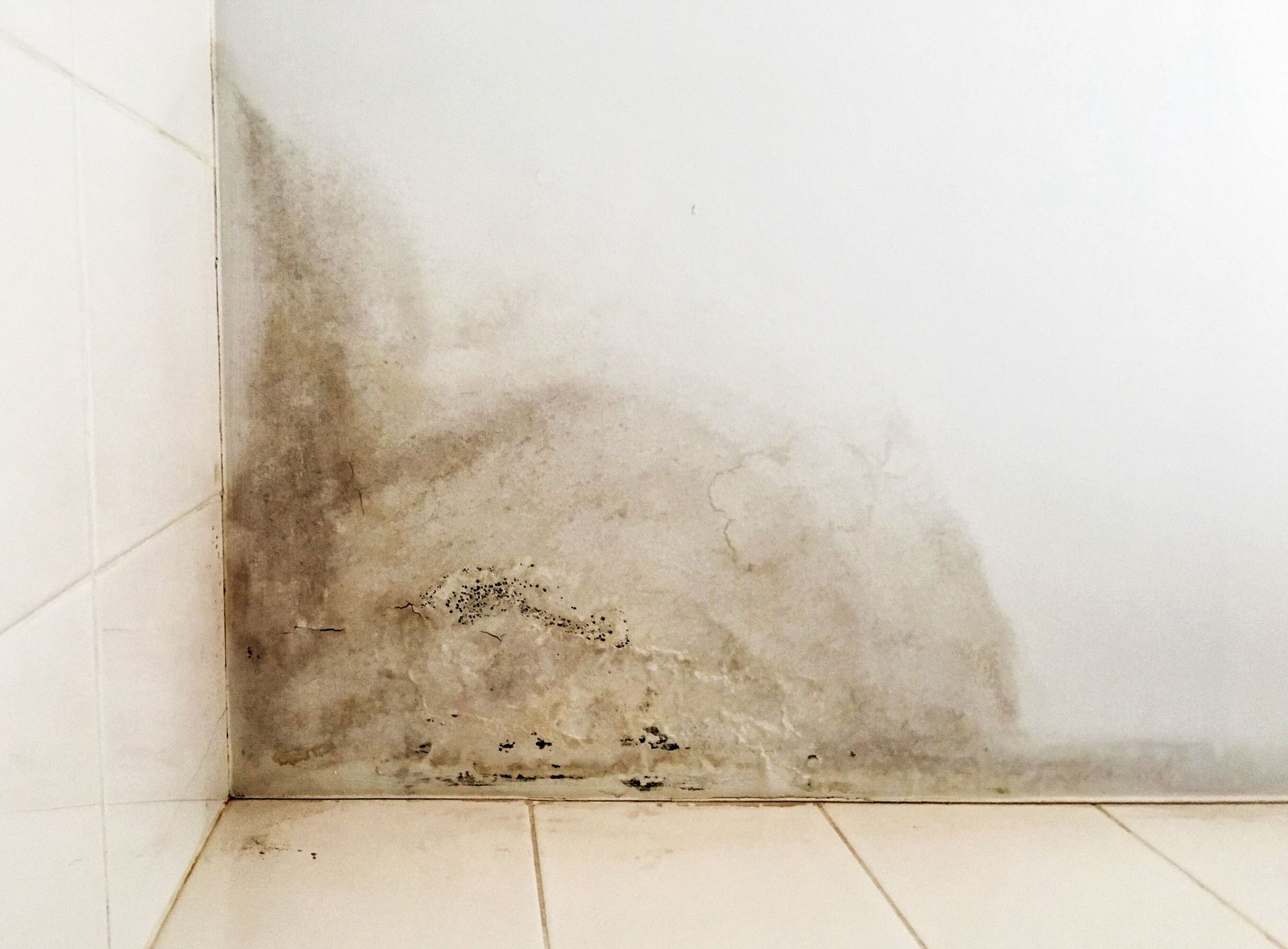
Microscopic mold spores begin germinating on damp drywall, carpet padding, and wooden framing within twenty-four to forty-eight hours of water exposure. Asking a water restoration service about their specific antimicrobial treatments and containment protocols helps ensure your living space remains completely safe and healthy. Inquire whether technicians apply EPA-registered fungicides, deploy HEPA air scrubbers to trap airborne particles, and establish negative air pressure zones inside affected rooms. Understanding their mold prevention strategy ensures that surface moisture is thoroughly remediated and surrounding air quality is scrubbed clean, preventing ongoing respiratory hazards or recurring fungal infestations after cleanup.
7. Evaluating Equipment Removal and Content Restoration Capabilities
Flooding damages building structures while threatening personal items, electronics, furniture, and delicate family heirlooms stored within the space. Asking your water restoration services whether they provide pack-out services helps you understand how salvageable items will be cataloged, cleaned, and stored off-site. Inquire about their specific content restoration techniques, such as freeze-drying important paper documents, ultrasonic cleaning for delicate items, and specialized upholstery drying. Knowing how technicians handle personal property allows you to protect valuable items, distinguish salvageable belongings from unsalvageable debris, and track inventory safely while structural repairs take place inside your residence.
8. Obtaining Written Estimates and Transparent Cost Breakdowns
Financial transparency is essential for preventing unexpected bills and managing your budget during major home remediation projects. Asking prospective water restoration services for a detailed written estimate allows you to evaluate itemized charges for equipment rental, labor hours, disposal fees, and anti-microbial chemical applications. Inquire about payment schedules, accepted payment methods, and potential additional costs that could arise if hidden structural damage is discovered during tear-out operations. Comparing clear, itemized quotes from qualified specialists helps you make informed financial decisions without sacrificing essential cleanup quality, ensuring your property is restored safely within established budget expectations.
9. Reviewing Structural Reconstruction and Post-Drying Repair Plans
Once structural drying is complete, damaged drywall, baseboards, insulation, and flooring materials often require complete physical replacement to restore your home. Asking your water restoration services whether they hold general contracting licenses clarifies if they can manage complete structural reconstruction or if you must hire secondary repair crews. Utilizing a single provider for both water extraction and structural rebuilding streamlines communication, accelerates overall project timelines, and ensures seamless accountability from initial cleanup to final paint application. Inquiring about reconstruction capabilities helps you plan for a smooth transition back into a fully restored, functional, and beautiful living space.
10. Clarifying Workmanship Warranties and Long-Term Post-Care Support
Understanding post-remediation support provides essential peace of mind after major water extraction and structural drying projects are completed. Asking your chosen water restoration services about written service warranties ensures that you are covered if secondary moisture issues or unexpected fungal growth appear shortly after project completion. Inquire whether technicians perform a final moisture inspection using calibrated meters to verify that all structural materials meet industry-standard dry standards before pulling equipment. Choosing specialists who stand behind their craftsmanship guarantees long-term protection for your property, ensuring that your home remains safe, dry, and structurally sound for years to come.
Preparing thoughtful inquiries empowers property owners to select qualified, reliable professionals capable of handling complex water emergencies with confidence and precision. Partnering with licensed water restoration services ensures rapid emergency response, thorough moisture extraction, comprehensive insurance documentation, and safe mold prevention across your entire home. Asking clear questions regarding equipment, safety protocols, pricing structure, and reconstruction capabilities eliminates guesswork and protects your valuable real estate asset from hidden structural decay. Take control of your home recovery process today by selecting an experienced specialist who prioritizes technical excellence, transparent communication, and complete property restoration from start to finish.
Are you seeking a professional-level water restoration service in Southern California? The restoration experts at Padgett's Fire & Flood Restoration are ready to help get your home and life back on track. Contact us today to request a free inspection to get started.