July 28, 2026
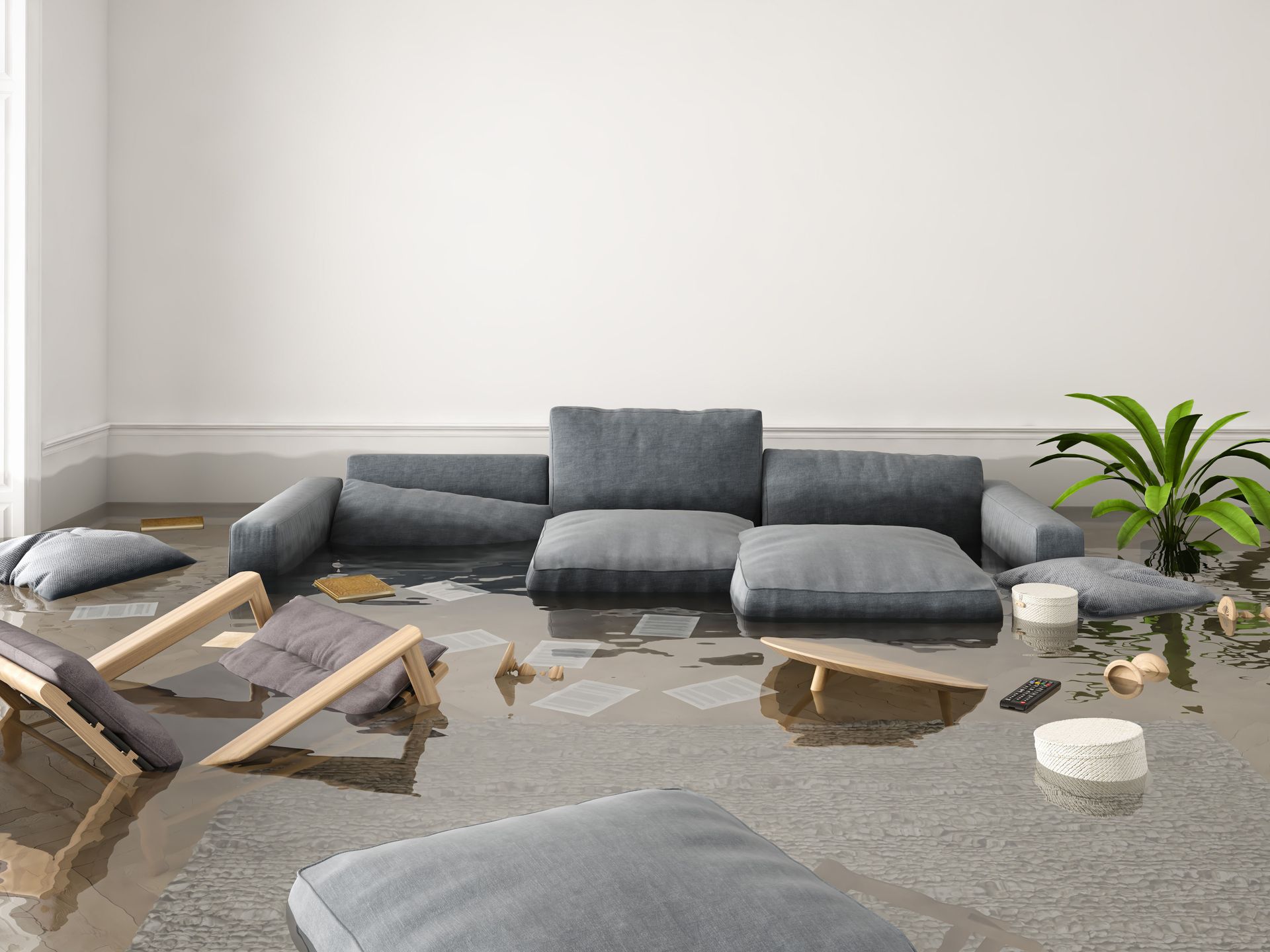
Experiencing a flood can be a truly devastating event for any homeowner. The immediate aftermath can be both overwhelming and disorienting, but taking the right steps swiftly can make a significant difference. The process involves several stages: ensuring safety, documenting the damage, dealing with insurance, beginning the cleanup, repairing, and planning for the future. Floods are the #1 most common natural hazard in the U.S., according to American Rivers, highlighting the importance of knowing how to respond effectively to such an event. This article provides a comprehensive guide for homeowners to navigate through the challenging times following flood damage and understand when professional water restoration may be necessary.
Ensuring Safety and Securing the Area
Assess Immediate Hazards
The first concern after a flood should be your safety and the safety of your family. Floodwaters can lead to numerous hazards, including electrocution, structural collapses, and other health risks. Before entering your home, it's vital to assess the level of immediate danger accurately before any water restoration work begins. Be on the lookout for downed power lines, gas leaks, and weakened structures that could collapse. It's advisable to wear protective clothing, such as rubber boots and gloves, to safeguard against contaminants present in the water.
One of the most critical steps to take is to shut off all utilities. If you have easy and safe access to utility shut-offs, do so without delay to prevent additional risks. In cases where there is significant water, it's imperative to shut off electricity without standing in water to prevent electrocution. Turning off the gas main can help avoid leaks which are hazardous in themselves. For water shut-offs, ensure no more water can add to the accumulated floodwater within the home.
Another vital precaution is to avoid coming into contact with the floodwaters, if possible. Floodwaters can be contaminated with sewage, chemicals, and other hazardous substances that can pose serious health risks. It's crucial to boil any tap water before drinking if you're uncertain about its safety. Additionally, contact local emergency services if you suspect any immediate dangers needing professional handling, such as serious gas leaks or electrical risks.
Documenting the Damage
Photograph Everything
The documentation of damage is essential for insurance claims and potential legal disputes. Begin by taking comprehensive photos or videos of every affected area before moving or cleaning any items. Capture images from multiple angles to ensure a complete record of the damage. Your photos should include not only extensive damage to infrastructure but also lesser losses such as furniture, appliances, and belongings. A thorough visual record will contribute significantly to processing your insurance claim expediently and establishing the scope of water restoration services.
Compiling a detailed inventory of losses will be your next task. Create a list accounting for all personal effects and property impacted by the flood. This list should document each item's original purchase value, condition before the flood, and estimated damage or loss. This inventory helps not only with insurance claims but also with financial assistance requests if needed. Remember to keep your inventory organized, updating it as you discover new damages or losses.
It is wise to maintain records of all communications with insurance representatives, contractors, and other relevant parties. Keeping detailed notes on conversations will help ensure that you have accurate information and support your claims when needed. Document dates, times, names, and discussions' major points to reconstruct reliable accounts later. Such records play a vital role if you encounter disputes or discrepancies with contractors or insurance payouts. Organizing receipts, emails, and formal communications into easily accessible files can ease the stress of the process.
Starting the Cleanup and Restoration Process
Removing Water and Drying Out
Removing the water as soon as possible after photographing and documenting the damage prevents further deterioration of the property and marks the first major stage of water restoration. Using pumps is an effective way to extract large volumes of water efficiently; ensure proper disposal to avoid violation of local water drainage regulations. Following water removal, initiate drying by maximizing air circulation using fans and natural ventilation to constrain mold growth during water restoration. Taking rapid, decisive action in the drying process is vital to preserving structural integrity and minimizing further damage. If necessary, humidifiers can help reduce moisture levels more effectively within enclosed environments.
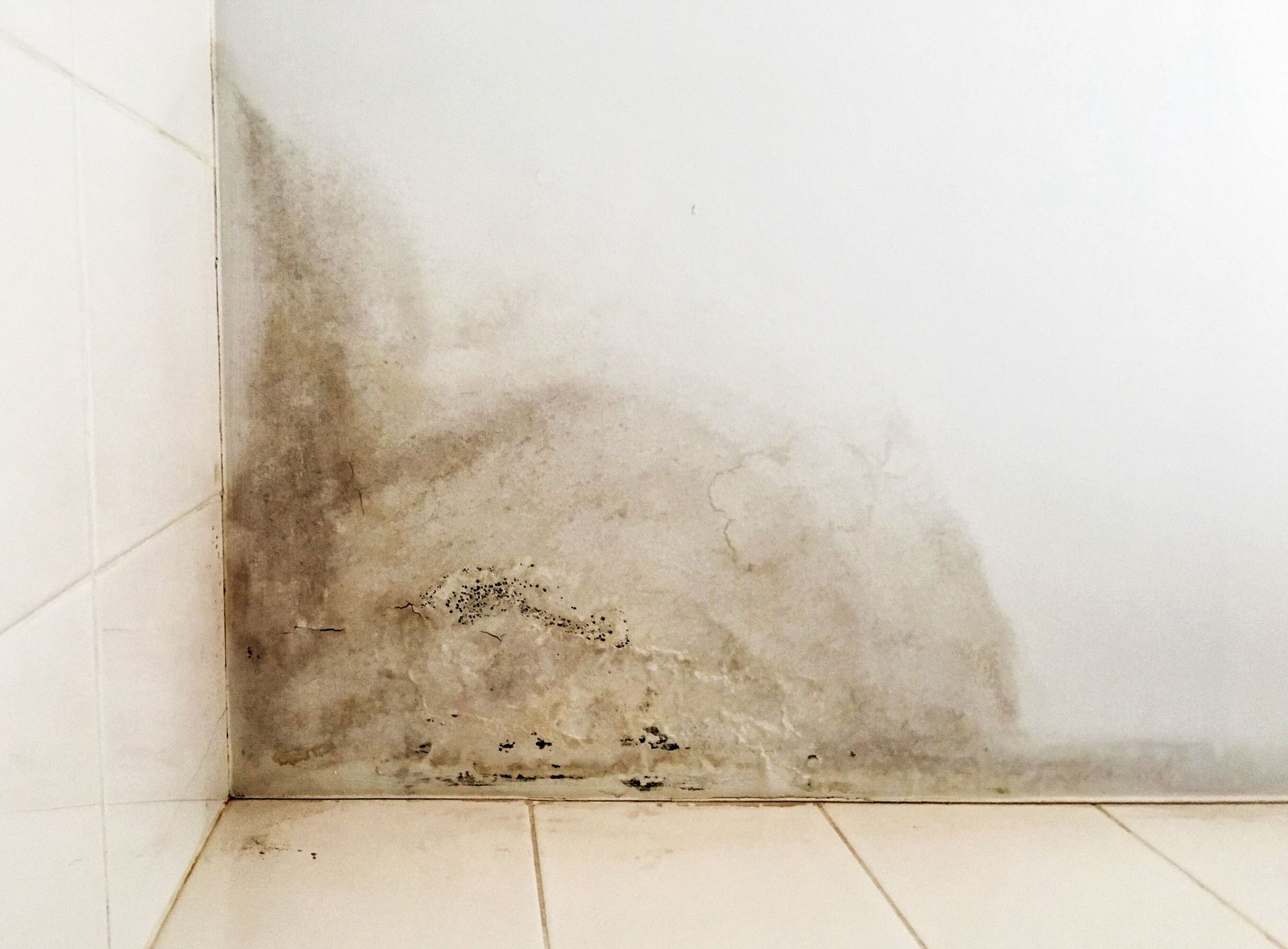
Prompt drying of your home addresses not just water damage but also supports effective water restoration by preventing the growth of mold and mildew. Mold growth can begin within mere hours and poses significant health concerns, making preventive action critical. After drying the premises, inspect commonly affected areas for early signs of mold, such as discoloration or musty odors. Washing surfaces with disinfectant and utilizing mold prevention treatments can help stunt early mold colonization. Consulting professionals for a mold inspection offers additional assurance in preserving your home’s safety and air quality throughout the water restoration process.
Repairing and Rebuilding
Hiring Contractors
Professional water restoration and reconstruction after a flood often call for hiring professionals to deal with complicated repairs. Research and obtain quotes from multiple contractors before making a decision, ensuring they are licensed and insured. An experienced contractor specializing in water restoration can advise on not just repairing but also enhancing structural resilience against future floods. Establish clear service agreements detailing expected timelines, materials to be used, and itemized cost estimates. A reliable contractor partnership is integral to effective and timely recovery efforts.
Part of your home’s water restoration will include the professional repair of essential utilities and infrastructure components. Before activating any systems, consult licensed professionals to assess and repair these elements safely. Unstable power lines or compromised gas and plumbing systems should be repaired and certified intact by relevant professionals. Their professional insight helps mitigate the risk of errors and ensures that home functionality is restored safely and efficiently. Speedy yet thorough restoration of critical systems is vital to restoring normalcy to your day-to-day life.
In addition to utilities, structural repairs are necessary to maintain the integrity and safety of the home. Employ expert contractors to address concerns with foundations, walls, and roofs affected by the floodwaters. Monetary investment in high-quality materials for these areas is recommended to prevent recurrent issues or failures. Consider flood-resistant materials, such as specialized flooring or waterproof coatings, to enhance future resilience. Accurate evaluation and correct repair of structural elements underpin the comprehensive success of reconstruction endeavors.
Planning for Future Floods
Evaluating Flood Risks
Preparing for the inevitability of future flooding includes evaluating your home’s vulnerability to such events. Assess location-specific factors such as proximity to water bodies and topographical features influencing flood propagation. The engagement of professional assessments can provide insightful reports on probable flood scenarios, recurrence intervals, and impact estimates. Analyze historical patterns and area flood maps to discern your exposure level and make informed decisions on preparation and mitigation. Awareness of potential flood risks sets the stage for proactive, informed planning.
Improving your home’s flood defenses involves identifying vulnerabilities and implementing effective strategies to counter them. Evaluate options such as elevating electrical fixtures, installing sump pumps, and enhancing drainage systems around your property. Outdoor adjustments, like retaining walls and rain gardens, deflect water away from critical areas, minimizing impact. Adopting a comprehensive approach to mitigation fortifies your home, reducing both damage and associated recovery costs significantly. Incorporating expert engineering solutions and flood defense technologies can further bolster this effort.
Recovering from flood damage involves a series of methodical steps sensitive to the nuances of restoration and safety. From evaluating initial hazards to completing water restoration and planning for future resilience, following a structured approach prevents exacerbating existing issues while hastening recovery. Flood preparedness constitutes a fundamental measure in regions with such environmental vulnerabilities and involves effective, prompt action when disaster strikes. By fostering early intervention and methodical reconstruction, you safeguard your family’s wellbeing, safeguard financial assets, and enhance both immediate and long-term security. Call Padgett's Fire & Flood Restoration.