October 27, 2026
Water damage can create conditions that allow mold to grow in homes and businesses. Visible mold, persistent musty odors, and discoloration in areas affected by leaks or flooding can indicate a moisture problem that needs attention. Recognizing these warning signs can help property owners identify areas that may require further assessment. Previous flooding or leaks may also leave moisture behind, even when surfaces appear dry.
Paying attention to changes in affected areas can help property owners determine when a closer inspection may be necessary. Professional water restoration services can help address water damage, suspected mold, and the conditions contributing to the problem. Through water extraction, structural drying, and mold remediation, affected areas can receive the attention needed to support the restoration process. Taking these concerns seriously can help property owners identify potential problems before additional damage occurs.
Visible Signs of Mold Growth
1. Look for Visible Mold
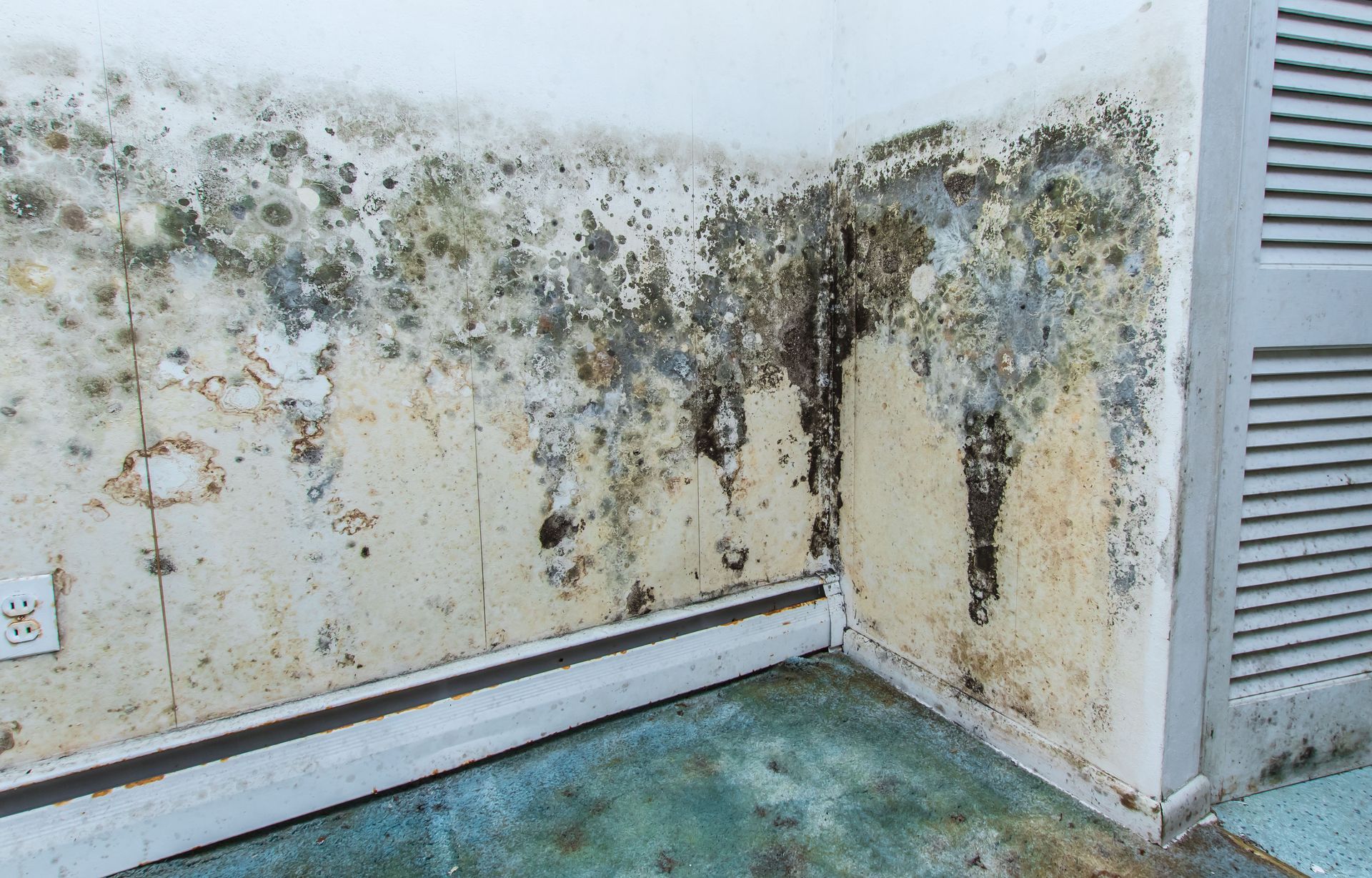
Visible mold can be a warning sign of moisture problems following a leak, flood, or other water damage. Check areas that have been exposed to water for signs of mold growth or changes in the surrounding materials. If mold appears after a water incident, identifying the extent of the affected area and addressing the underlying moisture are important steps in the remediation process. Professional water restoration services can help address water damage alongside mold detection and removal.
Not all mold growth is immediately visible. Water damage can affect areas that are difficult to examine, so a lack of obvious mold does not necessarily mean a moisture problem has been resolved. If you suspect hidden mold after a leak or flood, a professional assessment can help identify the affected areas. Water restoration services can include structural drying when needed to address conditions that contribute to mold growth.
2. Notice Persistent Musty Odors
A persistent musty odor following a leak or flood may indicate lingering moisture or possible mold growth, even when no visible mold is present. Pay attention to unusual odors in areas affected by water damage. An odor alone cannot confirm mold growth, but it can be a reason to investigate further. Water restoration services can help address water-related problems, while professional mold detection and removal can address suspected mold.
Reducing an odor does not necessarily mean the underlying problem has been resolved. If musty smells persist after water damage, the affected area may need further assessment to determine whether mold or remaining moisture is present. Addressing water damage, removing mold where necessary, and drying affected structural materials are important parts of restoring a property. Professional water restoration services can help assess the damage and determine the appropriate restoration work.
Hidden Signs of Water Damage
3. Investigate Suspected Mold
Changes in how a person feels are not enough to establish that mold is present in a property. If you suspect a connection between a damp indoor area and ongoing concerns, look for property-related warning signs such as visible mold, persistent musty odors, or a history of water damage. A qualified healthcare professional can address medical questions, while a restoration professional can assess suspected mold and water damage in the building. Water restoration services can help address property damage when moisture is identified.
Pay attention to areas where moisture may be present but difficult to see, including spaces around plumbing, behind furniture, and near walls or ceilings affected by previous leaks. These locations may require closer examination if musty odors persist or visible signs of water damage appear. Although these indicators cannot confirm mold on their own, they can help identify areas that warrant professional assessment. Addressing the source of moisture is an important part of resolving suspected mold problems.
4. Check for Previous Water Damage
A history of flooding, leaks, or other water damage can indicate an increased need to check for possible mold growth. Areas affected by water may retain moisture even after the initial incident appears to be resolved. Pay attention to visible mold, lingering musty odors, or changes in materials where water damage occurred. Water restoration services can help address water-related damage, while mold detection and removal can address suspected growth.
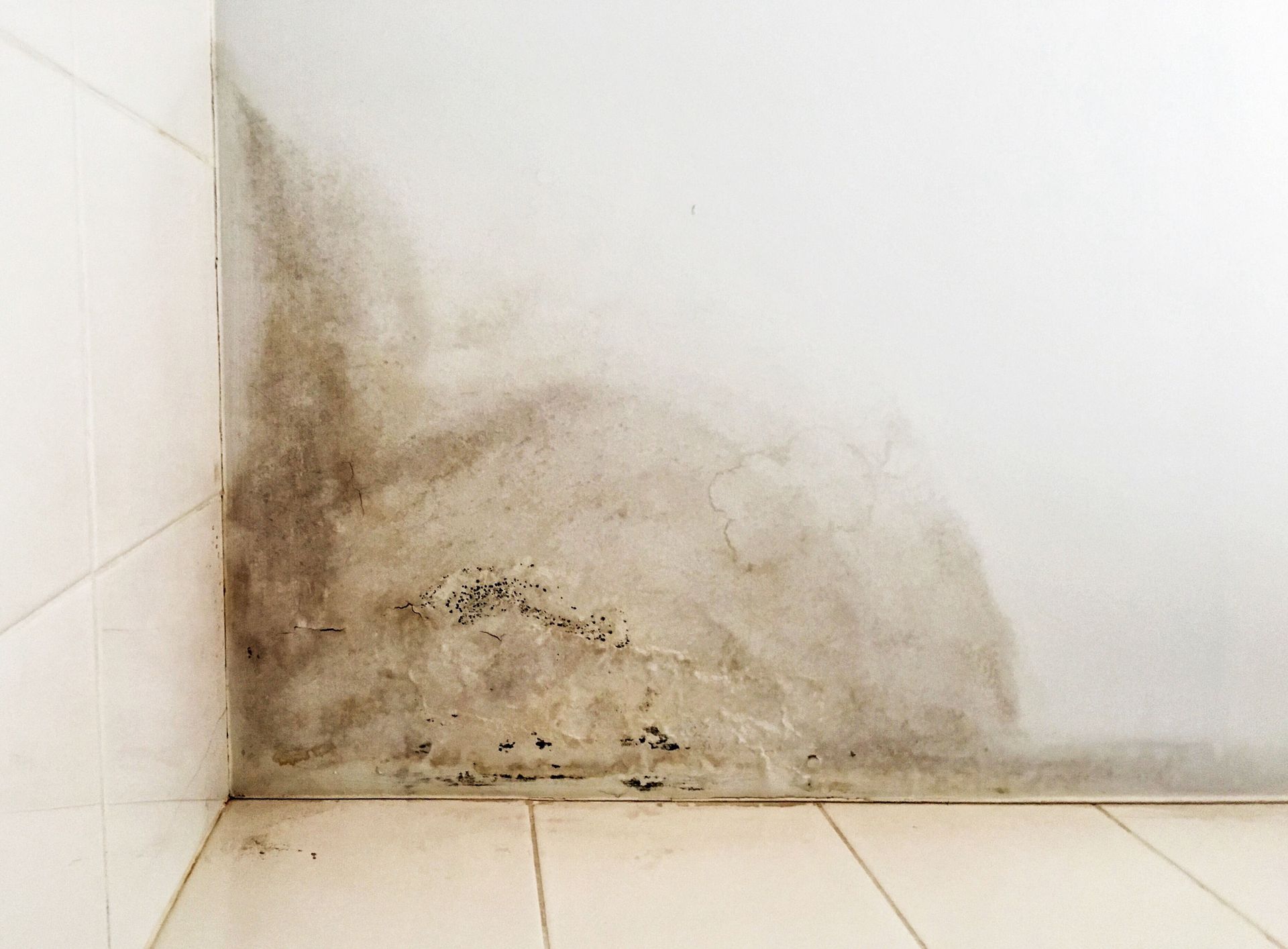
Water stains, discoloration, and persistent musty odors can indicate that an area affected by water damage needs further attention. Prompt assessment and drying can help address remaining moisture before additional damage develops. When mold is suspected, remediation should address both the affected areas and the conditions that contributed to the problem. The appropriate water restoration services depend on the extent and nature of the damage.
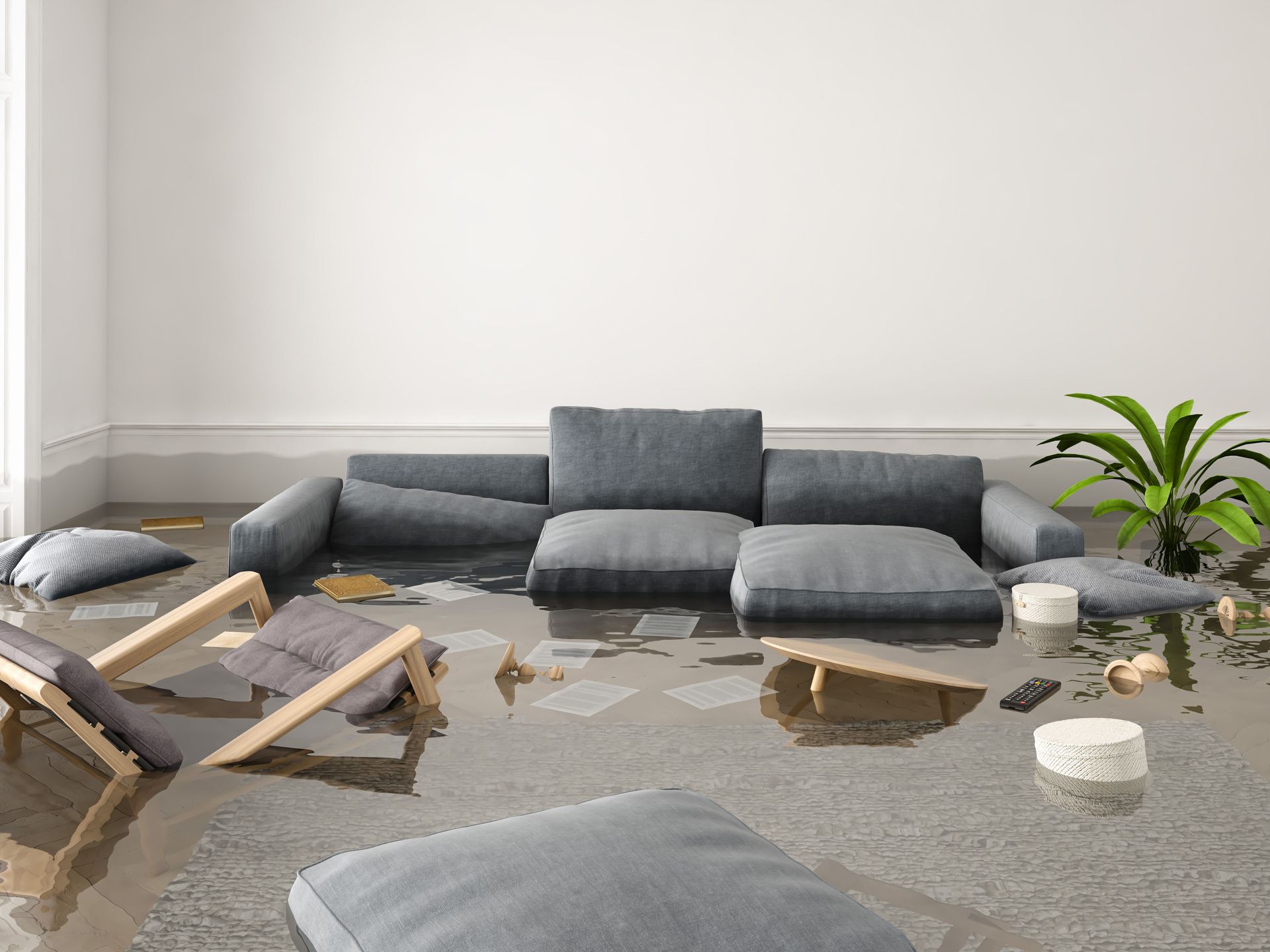
Roughly 17% of all the urban land in the United States is located in the "100-year" or high-risk flood zone, according to American Rivers. Understanding potential flood risks can help property owners recognize the importance of addressing water damage. After flooding, checking affected areas for discoloration and suspected mold can help identify problems that need further assessment. Water restoration services can help address water damage and support the restoration process.
Lasting Effects of Moisture
5. Address Suspected Mold Problems
Suspected mold growth should be considered alongside other signs of water damage, including visible discoloration, persistent musty odors, and areas that remain damp. These indicators can help property owners recognize when further assessment may be necessary. A restoration professional can evaluate suspected mold and water damage and determine whether mold removal, water extraction, or structural drying is appropriate. Questions about symptoms or other health concerns should be directed to a healthcare professional.
Once suspected mold or water damage has been identified, addressing the underlying moisture problem is an important part of the restoration process. Simply cleaning a visible area may not resolve the issue if damp materials or an unresolved leak remain. A professional assessment can help determine which areas require attention and whether additional drying or remediation is needed. Taking appropriate steps based on the extent of the damage can help limit further deterioration of affected building materials.
6. Inspect Discolored Surfaces
Discoloration on walls and ceilings can indicate previous or ongoing water damage. Peeling paint or changes in surface appearance may also warrant further assessment, particularly when they occur near a known leak or flood-affected area. Although discoloration alone does not confirm mold growth, it can be a reason to investigate further. Water restoration services can help address affected areas, while mold detection and remediation can address suspected growth.
Peeling wallpaper or paint may signal moisture-related damage, especially when the affected area has been exposed to a leak or flooding. These surface changes do not establish that mold is present, but they can indicate a need to examine the area more closely. When water damage and suspected mold occur together, a professional assessment can help determine the extent of the problem and whether structural drying or mold remediation is needed.
Warped flooring, soft spots, and discoloration may indicate that moisture has affected materials beneath the visible surface. These changes do not confirm mold growth, but they can be warning signs of water damage that needs further evaluation. Water extraction and structural drying can help address moisture-related damage, while mold detection and removal can address suspected growth. Structural repairs may also be necessary depending on the extent of the damage.
Recognizing signs of mold and water damage can help property owners determine when professional restoration may be necessary. Addressing moisture and suspected mold growth can help prevent further damage to affected areas. Padgett's Fire & Flood Restoration provides mold detection and removal, water damage restoration, and structural drying for residential and commercial properties throughout Southern California. To learn more about our services and request a free inspection, contact our team.